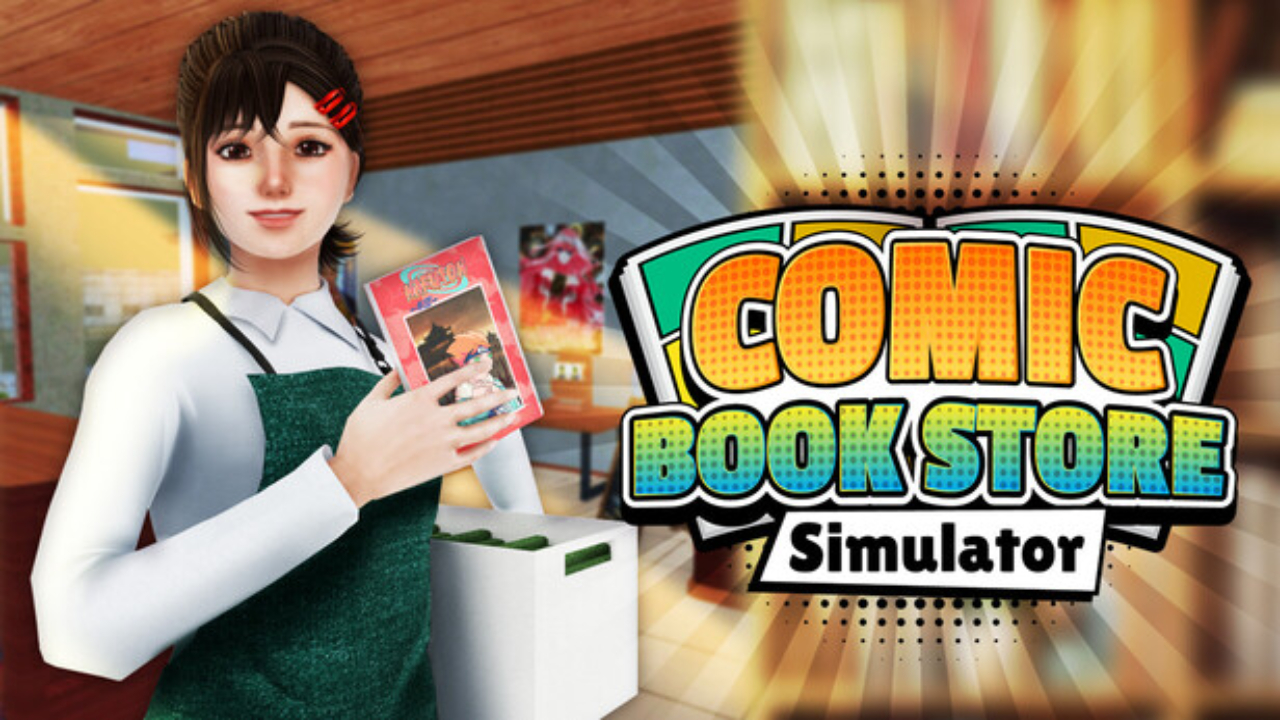
Amidst the rise of business simulation games, Comic Book Store Simulator offers a rarely explored concept by inviting players to manage an independent comic shop, from managing inventory to building a customer community. Developed by Akhir Pekan Studio, this game presents a simulation that is close to everyday life, laid-back, and easily accessible to both casual players and management game enthusiasts.
Game Concept and Premise
In Comic Book Store Simulator, players assume the role of an independent comic book store owner. At the beginning of the game, the store is simple, with limited stock, and a relatively small customer base. From this point, players gradually build their business, from purchasing comics to organizing shelves, setting prices, and serving customers directly.
The premise is simple, but its power lies in the small, intimate details. Players are challenged not only to generate profits but also to understand what customers are looking for. Some buyers are after specific issues, others are following popular trends, and still others are simply looking for light reading. Understanding these patterns is key to the store’s steady growth.
A Relaxed but Detailed Business Simulation

Mechanically, Comic Book Store Simulator is designed to be easy to grasp, even for players who rarely play simulation games. The interface is clear, the systems are intuitive, and the gameplay flows smoothly without excessive tutorials. Players can quickly grasp how to purchase stock, organize merchandise, and run the store’s daily activities.
However, beneath its simplicity, the game still contains layers of strategy. The choice of comics to sell, pricing, and store layout directly impact revenue and customer satisfaction. If shelves are poorly organized or stock doesn’t meet market demand, customers may leave without purchasing anything.
Read More! My Family Farm Mart Simulator: Indonesia’s Cozy Hydroponic Farming Game
As time goes on, players are also faced with the decision to hire staff. Having employees helps lighten the workload, especially as the store grows busier. At this point, the player’s focus begins to shift from day-to-day operations to long-term business development.
Content Variation and Store Development

One of Comic Book Store Simulator’s attractions is the variety of content it offers. Players can expand the store’s size, add shelves, and decorate the interior to make it more appealing. While the decoration aspect isn’t particularly complex, the freedom to organize the space gives a strong sense of ownership over the store they build.
The game also features certain events that add variety to the gameplay, such as special promotions or comic-themed events. These events encourage players to think tactically, for example, by stocking specific items or rearranging the store’s layout to attract more customers.
Furthermore, there are small, random events, ranging from customers with unique behavior to situations that test the player’s alertness. These elements keep the daily routine of the store from feeling monotonous.’
Atmosphere and Visual Presentation

Visually, Comic Book Store Simulator doesn’t attempt to be realistic. The graphic style is simple and clean, with a focus on readability and gameplay. Character designs are functional, while the store environment is detailed enough to create a lively atmosphere without overwhelming the system.
This visual approach aligns with the game’s relaxed pace. The game doesn’t pressure players with strict deadlines or a heavy penalty system. Instead, it allows players to enjoy the process of building their store slowly, making it suitable for both short and long play sessions.
Read More! Aku Si Juragan Kosan: Exciting Simulation of Being a Boarding House Owner
Identity as Community-Based Simulation

What sets Comic Book Store Simulator apart from many other business simulation games is its focus on community. The comic book store is portrayed not simply as a place for transactions, but as a hub for interaction among comic fans. This is reflected in customer behavior and events that emphasize the relationship between the store and its visitors.
This approach provides a personal feel rarely found in business simulation games. Players focus not only on profit figures but also on building the store’s reputation as a vibrant and beloved place.
Why You Should Try It?

Comic Book Store Simulator is an example of how a simple and specific theme can create a compelling gaming experience. With accessible gameplay, a relaxed atmosphere, and a focus on everyday details, the game successfully delivers a business simulation that feels both familiar and enjoyable.
For fans of comics, manga, or casual simulation games, Comic Book Store Simulator offers a relevant and distinct experience. It doesn’t try to be a complex simulation, but rather a warm experience about building a small shop, understanding customers, and growing a community from a simple comic shelf.
References: