Indonesia continues to introduce inventive indie projects. The Nihil War game arrives as one of the more ambitious titles, mixing several genres into one structure. The result targets players who enjoy methodical decision making, narrative tension, and a mix of exploration and tactical planning. This article breaks down what the game offers, how its systems connect, and why it has gained early attention.
Post-Apoc Vibes

The Nihil War game presents a fictional world shaped by disaster. Humanity splits into two paths. One group hides in a bunker and preserves old technology. The other group rebuilds a new society outside and adapts through manual effort. This contrast creates immediate tension and sets the foundation for the story.
The premise centers on control, survival, and technological imbalance. As the game moves between adventure, management, and tactical segments, players experience each side of the world. This balance creates a steady rhythm. The structure also gives the game a broader identity, putting it closer to strategy focused titles that mix narrative and mechanics.
Plot Twist Incoming

You follow Elpizo Rajo, a young prince raised outside the bunker society. His life changes when he is accused of involvement in his father’s death. Exiled from his kingdom, he seeks help from the bunker population, a group that stands as the opposite of his origins.
Also Read! Armagarden: Defend Nature’s Last Sanctuary
The story focuses on reclaiming power, understanding political conflict, and navigating two cultures that distrust each other. The emotional tone stays grounded. Instead of melodrama, the game uses direct stakes and clear motivations. The steady pacing helps players follow the plot while managing the gameplay systems.
Gameplay Mix
The Nihil War game splits its structure into three sections:
Platformer Section

The first layer functions as a cinematic platformer. You move left and right, interact with objects, solve physics based tasks, and unlock new paths. The moment to moment flow stays simple and readable. Players who enjoy puzzle platformers will recognize the clear structure, with a style that feels close to Inside or Planet Alpha.
This section keeps the pacing active. It also gives the world a grounded sense of scale because you directly navigate environments, interact with props, and examine the state of the post apocalyptic setting.
Management Section

The second layer introduces base management. You gather resources, construct buildings, develop technology, and recruit units for the growing conflict. The pace slows down and encourages calculated decision making. The shift from platforming to planning helps the game maintain variety.
This layer also shapes long term progression. Every building choice affects battle preparation and resource flow. Players who enjoy strategy titles will appreciate the structured way the game handles growth.
War Section

The final layer is the war phase. Combat uses turn based mechanics without a grid. You move battalions freely within range and position units based on spatial judgment. This supports more flexible tactics compared to rigid tile based systems.
Also Read! Gigapocalypse: When the Kaijus Go Wild and Destroy Everything
The goal is to plan routes, launch attacks, and maintain formation control. Together, all three layers create a loop of exploration, preparation, and execution.
Never Gets Boring
The game highlights three core systems that work together. The mix of platformer, management, and tactical gameplay forms the main selling point. This gives players multiple types of engagement and reduces monotony.
Environmental interaction and physics puzzles add variety to the adventure. Meanwhile, dynamic time and weather influence the feel of the world. Roguelite elements and random events introduce unpredictability. The world map is fully explorable, which creates room for side tasks and encourages travel between regions.
Outside Looking In

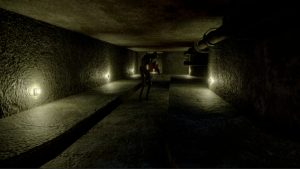
The world uses a blend of realism and fantasy. Environments reflect a society built from remnants of the past. Bunker interiors lean toward steel, controlled lighting, and old world machinery. Outdoor regions rely on natural colors, scattered structures, and signs of rebuilding. These contrasts strengthen the central theme of divided civilizations.
Also Read! Amerta – Tension and Typing in a Zombie Apocalypse
Characters and environments follow a 3D art direction with a grounded color palette. The visual design avoids extremes and favors a consistent tone. Weather variation also adds atmosphere and helps set mood. The audio direction supports the post apocalyptic setting with calm ambient layers and functional sound cues.
Wishlist Now, Try Later!
The Nihil War game stands out for its hybrid genre structure, its contrasting world design, and its emphasis on political conflict. Indonesian developers continue to push new ideas, and this title contributes to that momentum. It is already listed on Steam. Add it to your wishlist and be ready to try it once it launches.
Reference:
Jombihead – Game Developer
The Nihil War Steampage
The Nihil War Trailer