Fractals of Destiny marks a notable entry from Indonesia’s growing indie scene. The game presents a hybrid RPG structure that blends action and traditional turn-based mechanics into a clear and approachable format. It uses a superhero protagonist, striking visuals, and a broad set of systems to create a steady adventure. Below is a breakdown of how the game builds its identity through story, design, and long-form progression.
East vs West
Fractals of Destiny presents a large scale setting set in the year 5823. A prolonged war between the Velixar Azartus of the West Universe and the Light Empire of the East Universe pushes the universe toward collapse. Resources run low, troops thin out, and the United Alliance loses the ability to maintain order. This background builds a long term threat that frames the entire campaign.
Zerva becomes the core of the narrative. Her unique heritage and cosmic abilities place her on a different path from ordinary soldiers. Rising through the United Alliance, she moves from early victories to larger responsibilities that shape the unfolding conflict. The story also highlights her bond with Eldran and the brief period of peace they experience. Despite that calm, new tension emerges and pulls the narrative toward the main arc.
Real-Time Tactics

The hybrid RPG structure is the main feature. The game mixes turn-based commands with direct action sequences. This gives players more control while keeping the strategic layer intact. The transitions between the two systems feel deliberate. The pacing remains stable enough for players who prefer either style.
Also Read! PROJECT;HYPATIOS: Shoot, Die, Repeat in a Neverending World
Combat relies on timing, positioning, and active ability management. Zerva develops her skills through talent upgrades and equipment improvements that steadily expand her options. Boss encounters highlight the hybrid design and push players to adapt. Each boss shifts through phases that demand different responses, so players adjust their habits as the fight develops. These changes build a flexible difficulty curve that welcomes newcomers while still preserving meaningful challenge.
Zones Go Hard

Fractals of Destiny adopts a semi open world approach. Zones are built with cities, natural landscapes, and enclosed routes. Landmarks and enemy placement help maintain a steady flow between story tasks and optional activities. Players can track clues, uncover secrets, and explore new paths as they progress.
Advanced technology blends with alien structures and high contrast atmospheres to define the overall look. As the story progresses, new settings appear and widen the visual scope of each chapter. Players gain steady variety throughout the journey, which keeps exploration consistent and encourages curiosity.
Visuals Go Brrr
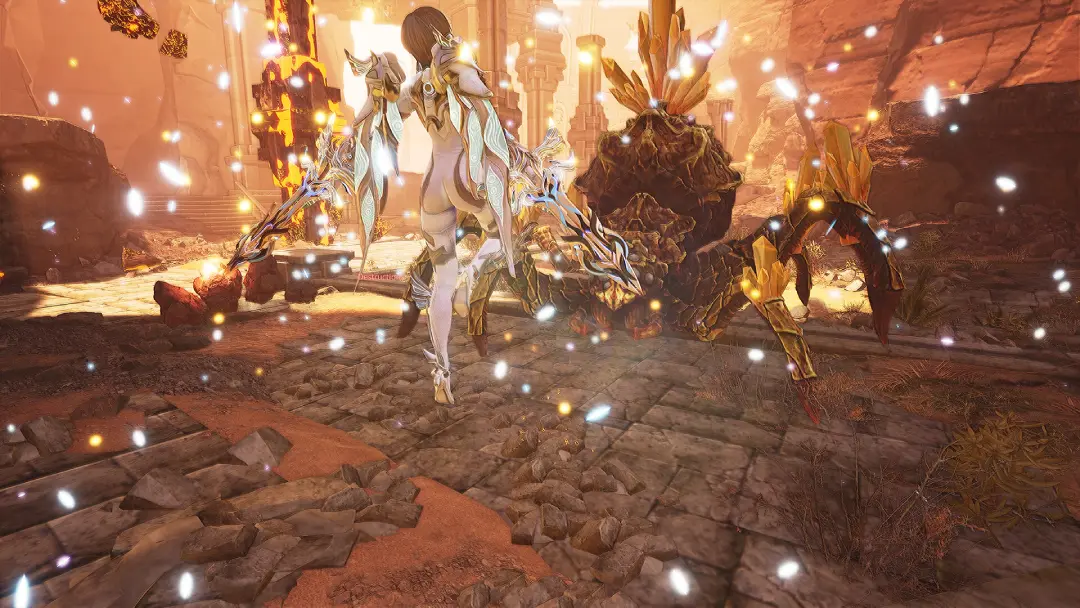
The game adopts an anime influenced visual style and uses a toon shader to refine its look. This shader boosts outlines, lighting, and shading to create clearer visual cues. Characters and environments present a more stylized form and strengthen the game’s distinct identity. The style attracts players who enjoy fantasy themes or clean and readable visuals. Major Update V2 adds this effect and continues to shape the overall presentation.
Also Read! Rootmare: Agate’s Horror That Spreads from Roots to Nightmares
Attacks, ability effects, and action cues are easy to read. This helps players anticipate combat events. The pacing of the animation also supports players who come from action RPGs. Combined with the shader, the game gains a more cohesive identity that separates it from standard 3D RPGs.
Maximize Your Stats

Skill based progression is one of the major systems. Each skill and talent path offers specific advantages that alter playstyle. Players invest points to unlock abilities, improve stats, and open new routes for combat strategy. This encourages steady experimentation. The system remains simple enough for newcomers, but players who enjoy deeper builds can customize more advanced paths.
Crafting and itemization drive the overall progression. Players gather materials, upgrade weapons, produce potions, and improve gear. These elements connect to exploration because each zone offers different resources. The mix of crafting, talents, and equipment upgrades builds long term growth. This system also boosts Zerva’s strength in later story chapters.
Hidden Story Bites

Sub missions complement the main story. These missions give players optional tasks and additional narrative context. They may involve combat, exploration, or support duties. The sub missions add structure to the downtime between major events. They also introduce small stories that expand the world’s background.
Also Read! Indonesian Devs Dropped A Banger: It’s The Nihil War.
The game also offers contract missions that guide players toward specific objectives. These tasks help maintain pacing, especially for players who prefer continuous progress. The combination of sub missions and contract missions increases replay value and encourages full world engagement.
Time To Dive!
Fractals of Destiny builds its appeal through hybrid combat, steady exploration, and a strong protagonist. The game is available now on Steam. If you want to explore a fresh hybrid RPG approach from Indonesia, you can download it and experience the full adventure.
Reference:
Krakatoa Studios – Game Developer
Fractals of Destiny Steampage
Fractals of Destiny Trailer